Can Acne Scars, Stretch Marks, and Surgical Scars Really Fade? An Orlando Guide to Scar Treatment

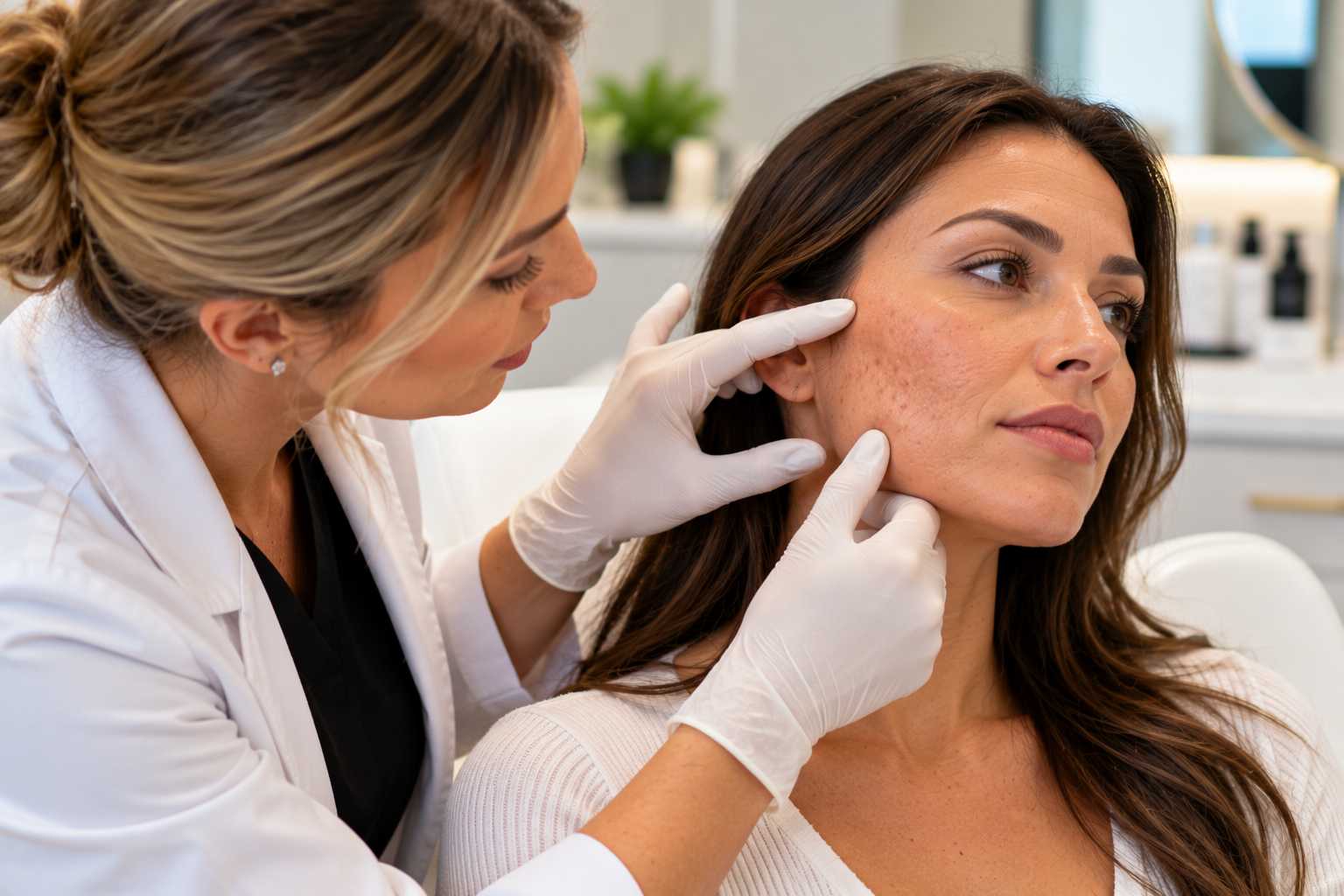
Your acne cleared up years ago, but the marks it left behind did not. Maybe it is the textured pitting on your cheeks that shows up under bathroom lighting, the stretch marks that appeared after pregnancy or a growth spurt, or a surgical scar you still notice every time you change clothes.
Scars can affect how comfortable you feel in your own skin, especially in Orlando, where sunny weather means more time in swimsuits, tank tops, and shorts. The encouraging news is that many scars can be noticeably improved with the right professional treatment plan. The honest news is that most scars fade gradually rather than disappearing completely.
This guide explains the main types of scars, which treatments may help, and how younger adults, women, and men can set realistic goals for scar treatment.
Why Do Scars Form, and Why Are Some So Stubborn?
Scars form when the skin repairs deeper damage by producing new collagen, which often does not match the surrounding skin in texture, color, or structure. Deeper injuries, inflammation, and genetics can make scars more noticeable and harder to treat.
Some scars sit below the skin's surface, while others are raised or discolored. Each behaves differently, which is why scar treatment works best when it is matched to the scar type rather than applied as a one-size-fits-all solution.
What Types of Scars Can Be Treated?
Common scars that people seek treatment for include acne scars, stretch marks, and surgical scars. At Gearity Wellness Center, microneedling is used to address all three, while chemical peels and PDGF Skin Rejuvenation are used for acne scarring.
Acne Scars
According to the American Academy of Dermatology, most people with acne scars develop depressed or sunken scars that give skin a rough, uneven look. Some people develop raised scars instead. The AAD also notes that flat dark spots left after a breakout are usually post-inflammatory hyperpigmentation, which is a color change, not a true scar.
Stretch Marks
The AAD explains that stretch marks are a type of scar that forms when the skin stretches or shrinks quickly. Common triggers include puberty, pregnancy, rapid weight changes, and rapid muscle growth from weight training.
Surgical Scars
Surgical scars vary depending on the procedure, your healing response, and how the incision was closed. Once a scar is fully healed, treatments that stimulate collagen may help improve its texture and appearance.
Which Treatments Help With Scars?
Microneedling, chemical peels, and PDGF Skin Rejuvenation are the primary scar treatment options at Gearity Wellness. Each works differently, and combining them is often recommended for acne scarring.
Microneedling
Microneedling uses a device with fine needles to create controlled micro-channels in the skin. This triggers the body's natural collagen production, which can gradually improve scar texture. Gearity Wellness uses microneedling for acne scars, surgical scars, and stretch marks. Most patients benefit from a series of three to six sessions spaced four to six weeks apart, and results continue improving for several months.
According to the Cleveland Clinic, microneedling does not rely on heat or light, so it carries a lower risk of discoloration than many laser treatments. That makes it a popular option for people with deeper skin tones.
Chemical Peels
Chemical peels use exfoliating acids to remove damaged surface layers. They can improve acne scarring, fade post-acne dark marks, and help clear congested skin. Recovery depends on peel strength, ranging from up to 72 hours for superficial peels to about a week for medium peels.
PDGF Skin Rejuvenation
PDGF Skin Rejuvenation uses platelet-derived growth factor designed to support the skin's natural repair process. At Gearity Wellness, it is used for acne scarring among other concerns. Results develop gradually over several weeks, and research into growth factor treatments continues to evolve.
Combination Plans
Gearity Wellness notes that combining chemical peels with microneedling or PDGF Skin Rejuvenation is an effective approach for acne scarring. Your provider will recommend safe timing between treatments. Explore more on the acne and acne scarring concern page.
What Should Gen Z and Younger Adults Know About Acne Scars?
For younger adults, the first priority is getting active acne under control, since ongoing breakouts can create new scars. Microneedling is not recommended during active breakouts because it can spread bacteria, so chemical peels are often the better starting point.
The AAD advises avoiding picking, popping, or squeezing breakouts, which increases inflammation and scarring risk. If you are in college or early in your career and dealing with both breakouts and scarring, a staged plan that treats acne first and scars second tends to work best. A skin consultation can help you map out that sequence.
Be wary of at-home microneedling devices and viral "scar hacks." Professional treatments allow for proper sterilization, depth control, and aftercare.
How Can Women Approach Stretch Marks and Post-Pregnancy Scars?
Many women seek scar treatment for stretch marks after pregnancy or weight changes, as well as for scars from procedures such as cesarean deliveries. Microneedling can help improve the texture of stretch marks and surgical scars over a series of sessions.
Timing matters. Most providers recommend waiting until you are fully healed and cleared by your doctor before treating a surgical scar. If you are pregnant or breastfeeding, let your provider know, as some treatments may need to wait.
Stretch marks often fade from red or purple to a lighter, silvery color on their own over time. Treatment can help improve texture, though complete removal is not realistic for most people.
What Should Men Know About Scar Treatment?
Men often seek treatment for facial acne scars, as well as stretch marks from rapid muscle growth during weight training. These scars respond to the same treatments, with plans customized to skin thickness and scar depth.
If you train regularly, ask your provider about how long to pause the gym after microneedling. Gearity Wellness recommends avoiding sweating and heat-based activities for three to five days after microneedling.
How Long Does Scar Treatment Take, and What Results Are Realistic?
Scar treatment usually requires multiple sessions over several months, and improvement is gradual. Most people see a meaningful reduction in scar visibility, but complete removal depends on the scar type, depth, and age.
Acne scarring typically requires three to six sessions depending on severity. Deep scars may improve without disappearing entirely. Taking progress photos in consistent lighting can help you see changes that are easy to miss day to day.
What Are the Risks and Who Should Wait?
Common side effects include temporary redness, sensitivity, dryness, and mild swelling. More serious risks, such as infection, scarring, or pigment changes, are uncommon when treatments are performed properly.
Talk with your provider before treatment if you:
- Have active acne, cold sores, eczema, or a skin infection in the treatment area
- Tend to form keloids or raised scars
- Take blood thinners or have a bleeding disorder
- Have recently used retinoids or isotretinoin
- Are pregnant or breastfeeding
Why Does Sun Protection Matter So Much in Florida?
Sun exposure can darken scars and post-acne marks and increase the risk of pigment changes after treatment. In Orlando's year-round sun, daily sunscreen is one of the most important steps for protecting your results.
Gearity Wellness recommends avoiding direct sun after microneedling and peels and using SPF 30 or higher daily. Wide-brim hats and protective clothing help too.
Frequently Asked Questions About Scar Treatment in Orlando
Can old acne scars be treated?
Yes. Many older acne scars can improve with collagen-stimulating treatments like microneedling, often combined with chemical peels or PDGF.
How many microneedling sessions do I need for scars?
Most people benefit from three to six sessions spaced four to six weeks apart, depending on scar severity.
Is microneedling safe for darker skin?
Microneedling is generally considered a lower-risk option for darker skin tones because it does not use heat or light. A consultation helps confirm candidacy.
Can stretch marks be completely removed?
Complete removal is unlikely, but treatments like microneedling can improve the texture and appearance of stretch marks.
What is the downtime for scar treatment?
Microneedling typically involves one to three days of redness. Chemical peel recovery ranges from a few days to about a week, depending on peel depth.
Your Skin Has a History, Not a Life Sentence
Scars are a record of what your skin has been through, whether that is teenage breakouts, a growing family, or a surgery you are glad is behind you. With the right plan, many scars can soften enough that you stop noticing them first.
If you are in Orlando, Lake Nona, St. Cloud, or nearby Central Florida, contact Gearity Wellness Center to schedule a consultation at our Orlando office and explore a scar treatment plan designed for your skin.