Why Does Your Face Look Different After Pregnancy or Perimenopause? A Women's Guide to Cosmetic Injectables

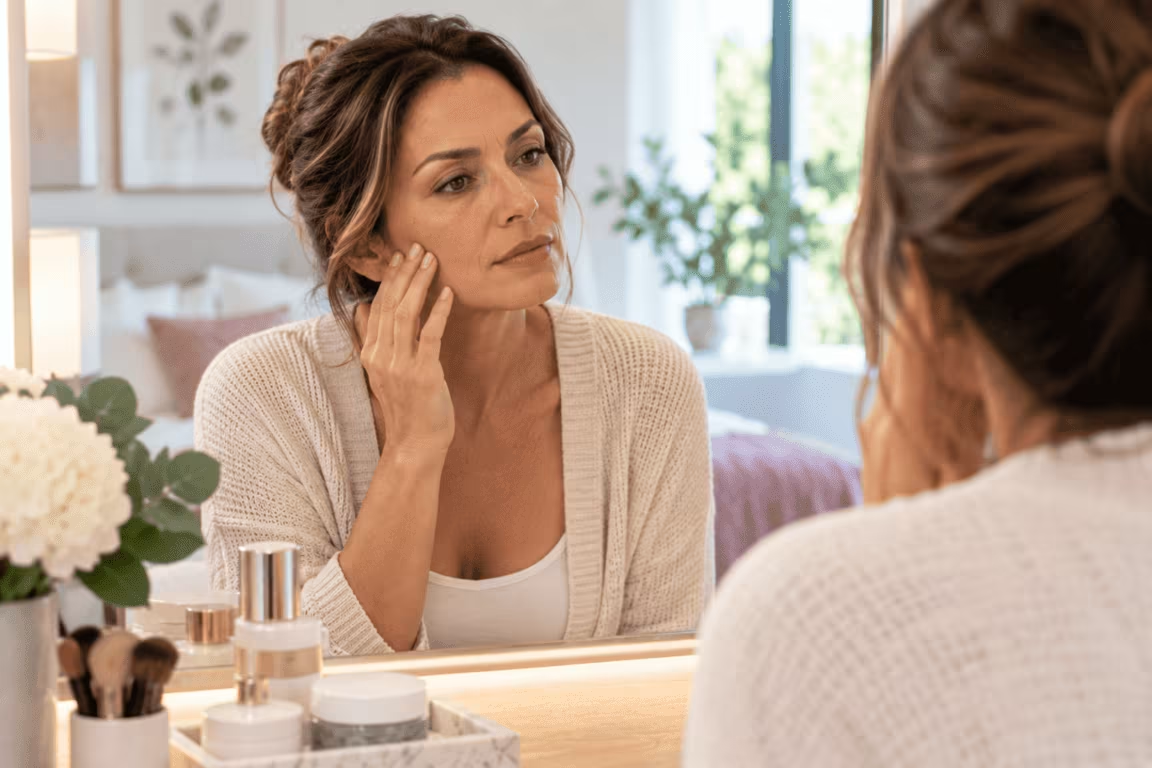
A lot of women notice it in photos before they notice it in the mirror. Cheeks that used to look full seem flatter. The area under the eyes casts more of a shadow. The jawline feels softer than it used to. If this sounds familiar, you're not imagining it, and you're definitely not alone. Updated this September 2026, here's what's actually happening to the face during postpartum recovery and perimenopause, and where cosmetic injectables fit into the picture.
For women in Orlando juggling new motherhood, career demands, or the early signs of hormonal shifts in their late thirties and forties, these facial changes often get dismissed as "just tired" or "just aging." But there's real physiology behind it, and understanding it makes the options a lot less confusing.
Why Does Pregnancy Change the Shape of Your Face?
Pregnancy and postpartum hormone shifts affect collagen production and fluid retention, both of which can temporarily or permanently change facial volume and skin elasticity.
During pregnancy, elevated hormones can plump the skin, but the postpartum drop-off, combined with sleep deprivation, dehydration, and rapid hormonal swings, often leaves the face looking deflated rather than simply older. This is separate from weight change and can happen regardless of how much weight is gained or lost during pregnancy.
Does Breastfeeding Affect Facial Volume Too?
Breastfeeding increases the body's caloric and nutritional demands, which can accelerate the loss of facial fat pads that give cheeks their fullness. This is a normal physiological response, not a sign of anything being wrong, but it does explain why so many postpartum women feel like their face has aged years in a matter of months.
What Happens to Skin and Volume During Perimenopause?
Estrogen decline during perimenopause directly reduces collagen and elastin production, which are the proteins responsible for skin firmness and facial volume. Studies have shown women can lose a significant percentage of skin collagen in the years immediately surrounding menopause, which is faster than the gradual decline seen at other life stages.
This is why many women notice the most dramatic changes to their jawline, cheeks, and under-eye area specifically during their forties and fifties, even if their weight and overall health haven't changed.
Is Facial Volume Loss a Sign of Aging or Something Else?
It's usually a combination of natural aging and hormonal changes specific to perimenopause. Both processes affect the same underlying structures, fat pads, collagen, and skin elasticity, which is why the two get lumped together even though hormonal decline plays a distinct and significant role.
What Are Cosmetic Injectables and How Do They Help?
Cosmetic injectables is a broad category that includes both neuromodulators, which relax the muscles that cause expression lines, and dermal fillers, which restore lost volume and support facial structure.
At Gearity Wellness in Orlando, Botox is used to soften lines caused by repeated facial movement, particularly around the forehead and eyes, while dermal fillers are used to restore volume in the cheeks, under the eyes, and along the jawline, the exact areas most affected by postpartum and perimenopausal changes.
What's the Difference Between Botox and Dermal Fillers?
Botox works by temporarily relaxing muscle activity to soften dynamic lines that form from repeated expressions, like frowning or squinting. Dermal fillers work differently, adding volume beneath the skin to restore structure that's been lost, rather than relaxing muscle movement.
For many women dealing with postpartum or perimenopausal volume loss, fillers tend to address the concern more directly, since the issue is lost structure rather than expression lines. That said, many women benefit from a combination of both, depending on which areas of the face are affected.
Can Cosmetic Injectables Restore a Pre-Pregnancy Look?
Cosmetic injectables can meaningfully restore lost volume and soften the signs of collagen decline, though results vary based on individual anatomy, the extent of volume loss, and the specific areas being treated.
Many women describe the goal less as "looking younger" and more as looking like a well-rested version of themselves, which is a fair way to think about what fillers and neuromodulators can realistically achieve. A consultation helps set expectations based on your specific face rather than a generic before-and-after photo.
Is It Safe to Get Injectables While Breastfeeding or Shortly After?
This is a common and completely reasonable question, and the honest answer is that it depends on individual health history and timing, which is exactly why a proper consultation matters before any treatment decision. A qualified provider will walk through your specific circumstances rather than applying a blanket rule.
Who Is a Good Candidate for Cosmetic Injectables?
Women noticing volume loss in the cheeks or under-eyes, softening along the jawline, or new expression lines that weren't there a few years ago are typically good candidates, especially if these changes have appeared alongside postpartum recovery or the early stages of perimenopause.
The best way to know for sure is a consultation that looks at your specific facial structure and history rather than guessing based on age alone. If your primary concern is volume rather than lines, treatments addressing loss of facial volume or lip, cheek, and jawline definition may be the more relevant starting point.
What Should You Expect During a Cosmetic Injectables Consultation?
A cosmetic injectables consultation typically involves a discussion of your goals, an assessment of your facial structure and skin, and a recommendation for which treatment, or combination of treatments, best addresses your specific concerns.
For women dealing with postpartum or perimenopausal changes, a good consultation should feel less like a sales pitch and more like a conversation about what's actually happening to your face and why. A provider should be able to explain whether your primary concern is volume loss, muscle-driven expression lines, or a combination of both, since that distinction shapes the entire treatment plan.
How Do You Know Which Areas to Treat First?
Most providers recommend starting with the area causing you the most concern, whether that's under-eye hollowing, cheek flatness, or jawline softening, rather than attempting to address every change at once.
This staged approach also allows you to see how your skin responds before committing to a broader plan, which many women find reassuring, especially if this is their first experience with cosmetic injectables.
Are There Non-Injectable Options Worth Considering Alongside Fillers?
Many women pair cosmetic injectables with skin quality treatments, since fillers restore volume and structure but don't address surface texture, tone, or hydration on their own.
Combining injectables with treatments that support collagen and skin quality often produces a more complete result than either approach alone, particularly for women whose primary concern spans both structural volume loss and overall skin texture changes tied to hormonal shifts.
Frequently Asked Questions About Cosmetic Injectables
How long do cosmetic injectables last? Neuromodulators like Botox typically last three to four months, while dermal fillers can last anywhere from six months to over a year, depending on the product and treatment area.
Do cosmetic injectables hurt? Most women describe the sensation as a quick pinch or pressure rather than significant pain, and topical numbing is often used for comfort during filler treatments.
Can cosmetic injectables help with postpartum facial changes specifically? Yes, dermal fillers are commonly used to restore cheek and under-eye volume lost during pregnancy and breastfeeding, once a provider confirms it's an appropriate time to proceed.
Is there downtime after cosmetic injectables? Downtime is minimal for most patients, though some temporary swelling or bruising at the injection site is possible and typically resolves within a few days.
At what age should women consider cosmetic injectables? There's no single right age. Many women start exploring options in their thirties as expression lines begin to form, while others wait until perimenopausal volume loss becomes more noticeable in their forties or fifties.
Putting Your Face Back in the Conversation
Postpartum recovery and perimenopause both ask a lot of a woman's body, and it makes sense that the face carries some of that story too. The point of cosmetic injectables isn't to erase that story, but to give you options for how much of it shows up in the mirror. If you've been noticing changes in volume, definition, or lines that don't match how you feel on the inside, a consultation at Gearity Wellness in Orlando is a low-pressure way to explore what's actually possible for your face specifically.