What Causes Dark Spots on Skin in Orlando, FL?

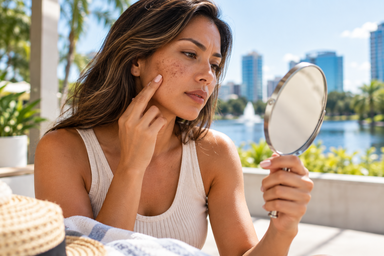
Living in Orlando means enjoying sunshine practically year round, but that same sunshine tends to leave a mark, quite literally. Dark spots are one of the most common skin concerns residents bring up, whether they show up as small freckle-like marks on the cheeks or larger patches across the forehead and hands.
If you have noticed new spots appearing or old ones darkening over time, you are not alone, and there is a clear explanation behind it. At Gearity Wellness, understanding exactly what type of dark spot you are dealing with is the foundation for choosing a treatment that will actually deliver lasting results.
What Exactly Are Dark Spots?
Dark spots, sometimes called sun spots, age spots, or lentigines, are areas where the skin produces excess melanin in response to a trigger. Unlike a rash or blemish, they typically sit flat against the skin and range from light tan to dark brown in color.
Why Does Skin Produce Extra Pigment in the First Place?
Melanin is your skin's natural defense mechanism against ultraviolet radiation. When skin is exposed to UV light, pigment-producing cells called melanocytes ramp up production to help shield deeper layers from damage. Over time and with repeated exposure, this process can become uneven, leading to visible spots rather than an overall tan.
Is Sun Exposure the Main Cause of Dark Spots?
For most people in Florida, yes. Cumulative sun exposure over the years is the leading cause of what is often referred to as sun damage, and it tends to show up in the areas that get the most consistent exposure, like the face, chest, and hands.
Can Hormones Cause Dark Spots Too?
Hormonal shifts from pregnancy, birth control, or hormone therapy can also trigger pigment changes, often appearing as broader patches rather than small discrete spots. This is typically categorized separately as melasma, though the two conditions can overlap.
Do Dark Spots Ever Result From Skin Injury?
Yes. Any inflammation, whether from a cut, a breakout, or even an insect bite, can trigger excess pigment production as the skin heals, leaving a dark mark behind long after the original irritation has resolved.
Are Dark Spots Ever a Sign of Something More Serious?
Most dark spots are harmless and purely cosmetic, but it is important to know the difference between a benign sun spot and something that should be evaluated by a dermatologist. Spots that change shape, grow rapidly, have irregular borders, or bleed should always be checked by a medical professional before pursuing cosmetic treatment.
Can You Prevent Dark Spots From Forming?
Prevention plays a bigger role than most people realize, especially in a sun-heavy climate like Orlando's.
How Important Is Daily Sunscreen?
Broad spectrum sunscreen applied daily, rain or shine, is the single most effective way to prevent new dark spots and keep existing ones from getting darker. Reapplication throughout the day matters just as much as the initial application.
Do Antioxidants Help Protect Against Pigment Changes?
Topical antioxidants like vitamin C can help neutralize free radical damage from UV exposure and support a more even skin tone over time when used consistently as part of a medical-grade skincare routine.
What Are the Most Effective Treatments for Dark Spots?
Once dark spots have formed, targeted professional treatment tends to produce faster, more noticeable results than skincare products alone.
How Does Moxi Laser Target Dark Spots?
The Moxi laser is specifically designed to address pigment irregularities and early signs of sun damage with minimal downtime. It works by delivering controlled energy into the skin, encouraging the body to naturally clear away excess pigment while stimulating fresher cell turnover.
Can Chemical Peels Help Fade Dark Spots?
Chemical peels accelerate exfoliation, helping to lift pigmented cells from the surface layers of skin and reveal a more even tone underneath. They are often used alongside laser treatments for a more complete approach.
What About Topical Treatments for Ongoing Maintenance?
Topical treatments formulated with ingredients that regulate melanin production can help maintain results between in-office sessions and slow the formation of new spots.
How Long Does It Take to See Results?
Most patients notice visible fading within a few weeks of a Moxi laser session, with continued improvement over the following month as the skin completes its natural renewal cycle. Multiple sessions, typically spaced about a month apart, produce the most consistent and lasting results.
Why Does Location Matter for Dark Spot Treatment?
Orlando's intense, near-constant sun exposure means dark spots can return more easily here than in less sunny climates if protective habits are not maintained. This makes an ongoing relationship with a local provider valuable, since your treatment plan and skincare routine can be adjusted seasonally to account for Florida's unique sun intensity.
What Happens During a Consultation for Dark Spots?
A skin consultation allows a provider to closely examine your specific pigment pattern, rule out any spots that need medical evaluation, and recommend the most appropriate combination of treatments for your skin type and goals.
Dark Spots Don't Deserve a Permanent Spot on Your Skin
Sunshine is one of the best parts of living in Orlando, but it does not have to leave a lasting mark on your complexion. With the right combination of prevention and targeted treatment, dark spots are one of the more responsive skin concerns to address. The team at Gearity Wellness is ready to help you build a plan that fits your skin and your lifestyle. This article was updated in August 2026 to reflect current treatment recommendations.
Frequently Asked Questions
How many dark spots treatments will I need? Most patients see meaningful fading after two to four Moxi laser sessions, though this varies depending on how deep and widespread the pigment is.
Will dark spots come back after treatment? New spots can form without consistent sun protection, but daily sunscreen use significantly reduces the likelihood of recurrence in treated areas.
Is Moxi laser safe for all skin tones? Moxi is designed to be gentler and more versatile across a range of skin tones compared to some older laser technologies, though a consultation helps confirm the right settings for your skin.
Can I wear makeup after a dark spot treatment? Most patients can resume light makeup use within a day or two, depending on how their skin responds to treatment.
What is the difference between dark spots and melasma? Dark spots are typically discrete, sun-triggered marks, while melasma tends to appear as broader, symmetrical patches often linked to hormonal changes. Both can be evaluated during a consultation to determine the right treatment approach.