Why Does Skin Seem to Age Overnight During Menopause? A Woman's Guide to Anti-Aging Treatment

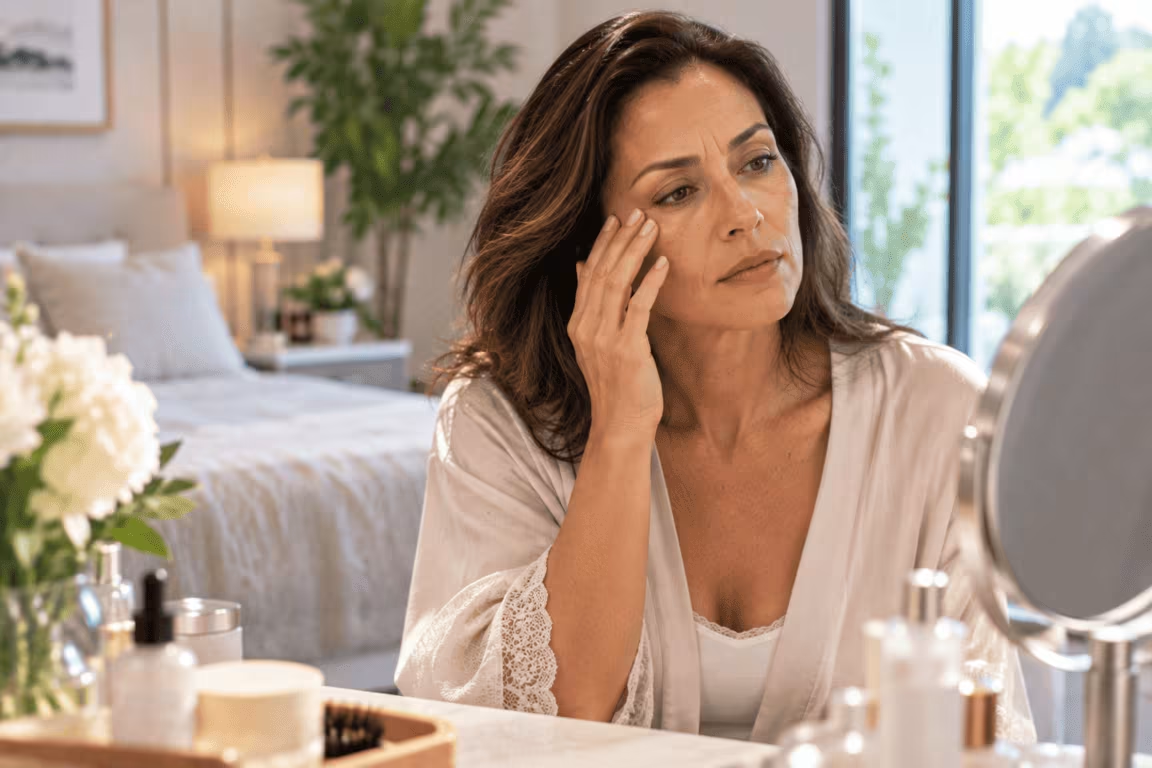
Most women describe it the same way: skin aging felt gradual for years, and then suddenly it didn't. Fine lines deepen, the face loses some of its fullness, and skin that used to feel resilient starts to feel thinner and drier, often within a fairly short window of time. This isn't a coincidence, and it isn't just about turning a certain age. Updated this September 2026, here's what's actually happening during menopause and which anti-aging treatment options tend to make the biggest difference.
For women in Orlando navigating perimenopause or menopause, this stage often overlaps with a demanding season of life, careers, aging parents, growing kids, which makes it easy to write off skin changes as just one more thing to deal with. Understanding the biology behind it makes the path forward a lot clearer.
Why Does Skin Age Faster During Menopause?
Declining estrogen during menopause directly reduces collagen production, and research indicates women can lose a substantial percentage of their skin's collagen within the first several years after menopause begins, a much faster rate than at other life stages.
Estrogen plays a role in maintaining skin thickness, hydration, and collagen density. As levels drop, skin becomes thinner, drier, and less elastic in a relatively compressed timeframe, which is why so many women feel like their skin changed quickly rather than gradually.
Is It Just Wrinkles, or Does Menopause Affect Skin in Other Ways?
Menopause affects far more than fine lines. Many women also notice increased dryness, reduced skin firmness, slower wound healing, and a duller overall complexion, all tied to the same underlying decline in collagen and estrogen.
This is worth understanding because it means an effective anti-aging treatment approach usually needs to address hydration and skin quality, not just wrinkles in isolation.
What Causes Loss of Facial Volume During Menopause?
Facial volume loss during menopause results from a combination of declining collagen, reduced fat pad volume, and changes in bone density that together alter the underlying structure supporting the skin.
This is different from simple wrinkle formation. Volume loss changes the actual contours of the face, which is why some women feel like their whole facial shape has shifted rather than just developing more lines.
Why Does Recovery From Sun Exposure or Minor Skin Damage Slow Down With Age?
Hormonal decline affects the skin's ability to repair itself efficiently, which means minor sun damage, dryness, or irritation that used to resolve quickly can linger longer and contribute to a more aged appearance over time. This is closely tied to broader hormonal decline and poor recovery patterns that show up throughout the body during this life stage, not just in the skin.
What Anti-Aging Treatments Help Rebuild Collagen?
Treatments that stimulate the body's own collagen production, like peptide therapy and PRP, tend to be particularly effective during menopause because they work with the skin's natural repair processes rather than just masking visible signs of aging.
At Gearity Wellness in Orlando, anti-aging peptides are used to support collagen synthesis and improve skin texture and firmness from within. Peptide therapy can also address some of the broader hormonal and recovery concerns that accompany menopause, beyond skin alone.
How Does PRP or PDGF Support Anti-Aging Results?
Platelet-derived growth factor treatments use concentrated compounds from your own blood to stimulate collagen production and cellular repair, which can improve skin firmness, texture, and overall radiance over a series of sessions.
PRP and PDGF treatment, along with PDGF skin rejuvenation, is often recommended for women specifically looking for a more natural, regenerative approach to anti-aging rather than one focused solely on filling in lines.
Can Anti-Aging Treatment Restore Facial Volume Too?
Yes, though the approach depends on the specific concern. Peptide and PRP-based treatments support the skin's own collagen production over time, while volume-specific concerns may benefit from a combined approach addressing both skin quality and structural support.
Women dealing specifically with loss of facial volume or visible fine lines and wrinkles often see the best results from a plan that combines a few complementary approaches rather than relying on a single treatment.
Do These Treatments Work for Postpartum Skin Changes Too?
Many of the same collagen-related mechanisms that decline during menopause also apply to postpartum recovery, which is why treatments addressing menopausal and postpartum changes are often grouped together. The underlying hormonal shifts differ, but the skin's response, and the treatments that help, frequently overlap.
When Should Women Start Thinking About Anti-Aging Treatment?
Many women begin exploring preventive or supportive anti-aging treatment in their late thirties, as early collagen decline begins, while others wait until perimenopausal or menopausal changes become more noticeable in their forties and fifties.
There's no universally correct starting point. The right timing depends on individual skin, family history, and personal goals, which is exactly why a consultation focused on your specific skin matters more than a general age guideline.
Does Diet or Lifestyle Affect How Fast Skin Ages During Menopause?
Diet, hydration, sleep, and sun exposure all influence how visibly skin ages during menopause, though they work alongside hormonal changes rather than replacing the need for treatment when collagen decline is significant.
Women who prioritize protein intake, consistent hydration, and daily sun protection during perimenopause often notice their skin holds up somewhat better than those who don't, though lifestyle changes alone typically cannot fully offset the collagen loss driven by declining estrogen. This is exactly why combining good daily habits with professional treatment tends to produce the most noticeable results.
Can Hormone Changes Elsewhere in the Body Affect How Skin Responds to Treatment?
Yes, broader hormonal shifts during menopause can affect how skin heals and responds to treatment, which is one reason a provider will often ask about your overall health history, not just your skin concerns, during a consultation.
How Do You Choose Between Different Anti-Aging Treatment Options?
The right anti-aging treatment depends on which specific concern is most bothersome, whether that's fine lines, volume loss, dullness, or a combination, since different treatments are designed to address different underlying causes.
A thoughtful consultation should walk through your specific concerns rather than defaulting to a one-size-fits-all recommendation. Many women find that a combination approach, addressing collagen support and volume separately, produces more balanced results than focusing on a single treatment in isolation.
Frequently Asked Questions About Anti-Aging Treatment
Does menopause really speed up skin aging, or does it just feel that way? It's a real, measurable effect. Estrogen decline during menopause accelerates collagen loss at a documented rate faster than typical age-related decline at other life stages.
Can anti-aging treatment reverse menopausal skin changes completely? Treatment can meaningfully improve firmness, texture, and volume, though results vary by individual and the extent of collagen loss. Most women see the best results from an ongoing plan rather than a single visit.
Is peptide therapy only for skin, or does it help elsewhere too? Peptide therapy can support broader concerns related to hormonal decline and recovery, in addition to skin-specific benefits, which is why it's often part of a more comprehensive wellness plan.
How soon do PRP or PDGF treatments show results? Most women notice gradual improvement over several weeks as collagen production increases, with results building over a series of sessions rather than appearing immediately.
Is anti-aging treatment only about wrinkles? No, effective anti-aging treatment typically addresses skin texture, hydration, firmness, and volume together, since all of these are affected by the same underlying hormonal and collagen changes.
Aging Is Non-Negotiable. How You Do It Is Not
Menopause changes the rules for your skin, but it doesn't mean you're left without options. Understanding why collagen declines the way it does during this stage makes it a lot easier to choose an anti-aging treatment plan that actually addresses the cause, not just the symptoms showing up in the mirror. If you've noticed your skin changing faster than expected, a consultation at Gearity Wellness in Orlando can help you figure out which combination of treatments fits where you are right now.