How Can You Treat Acne Scars in Orlando, Florida Naturally?

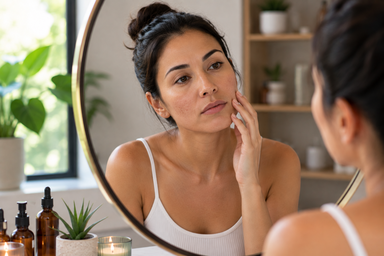
Scars have a way of outlasting whatever caused them. Long after a breakout clears or a wound heals, the skin can be left with texture changes, indentations, or discoloration that linger for years. If you have ever wondered why some scars fade quickly while others seem permanent, or whether there is anything that actually works to improve them, you are asking exactly the right questions.
At Gearity Wellness in Orlando, FL, scar treatment is approached with an understanding that not all scars are the same, which means not all of them respond to the same solution. Getting a clearer picture of what type of scarring you are dealing with is the first step toward choosing a treatment that will actually make a visible difference.
What Causes Scarring on the Skin?
Scars form as part of the body's natural healing response, but how that healing plays out can vary dramatically from person to person.
How Does Acne Lead to Scarring?
When a breakout penetrates deep into the skin, it can damage the surrounding collagen as it heals. Cystic and nodular acne are especially prone to this because the inflammation reaches deeper layers of tissue, often resulting in the concern known as acne and acne scarring.
Why Do Some Wounds Scar More Than Others?
Depth, size, and how well a wound is cared for during healing all influence the final appearance of a scar. Genetics also play a significant role in how much collagen the body produces during repair, and whether that collagen is laid down evenly.
What Is the Difference Between Atrophic and Hypertrophic Scars?
Atrophic scars sit below the surrounding skin and create a pitted or indented look, which is the most common pattern seen with acne. Hypertrophic scars, on the other hand, are raised above the skin's surface due to excess collagen production during healing.
What Are the Different Types of Acne Scars?
Understanding the specific type of scarring you have can shape which treatment will be most effective.
What Are Boxcar Scars?
Boxcar scars have sharp, defined edges and a broad base, giving them a somewhat rectangular appearance, often on the cheeks or temples.
What Are Rolling Scars?
Rolling scars create a wave-like texture across the skin because of fibrous bands pulling the skin down from underneath.
What Are Ice Pick Scars?
Ice pick scars are narrow but deep, resembling a small puncture, and are often considered one of the more difficult scar types to fully resolve.
Does Scar Tissue Ever Fully Go Away on Its Own?
Mild discoloration from a recent scar can fade over several months as inflammation settles and skin tone evens out. However, textural changes like pitting or raised tissue typically do not resolve without some form of intervention, since the underlying collagen structure has already been altered.
When Should You Consider Professional Scar Treatment?
If a scar has been present for more than six months and is not continuing to improve on its own, that is generally a sign it will benefit from professional treatment rather than more time. Scarring that affects self-confidence or that has changed the texture of a large area of skin is also worth addressing sooner rather than later.
What Treatment Options Are Available for Scar Improvement?
Orlando patients dealing with scarring have several effective, non-surgical paths to smoother skin.
How Does Microneedling Improve Scar Texture?
Microneedling uses fine needles to create controlled micro-injuries in the skin, which stimulates the body's own collagen production. Over a series of sessions, this process can noticeably soften the depth of atrophic scars and improve overall texture.
What Role Does PRP or PDGF Play in Scar Healing?
Platelet-rich plasma and PDGF therapies use growth factors from your own blood to accelerate tissue repair. When combined with microneedling, treatments like PRP/PDGF and PDGF skin rejuvenation can enhance collagen remodeling and support smoother, more even-looking skin.
Can Chemical Peels Help With Scarring?
Chemical peels work well for surface-level texture irregularities and post-acne discoloration by encouraging controlled exfoliation and cell turnover, revealing fresher skin underneath.
How Does Moxi Laser Address Scar Concerns?
The Moxi laser is a gentle, non-ablative treatment that targets discoloration and early texture irregularities with minimal downtime, making it a good option for those easing into professional scar treatment.
What Does the Scar Treatment Process Look Like?
Most scar treatment plans begin with a skin consultation to evaluate the type, depth, and cause of scarring. From there, a personalized combination of treatments is typically recommended, since layering approaches like microneedling with PDGF often produces better results than any single treatment alone. Most patients need a series of sessions spaced several weeks apart to see meaningful improvement.
How Many Sessions Are Usually Needed?
This depends heavily on scar severity, but most people undergo three to six sessions for noticeable improvement, with some continuing periodic maintenance treatments afterward to sustain results.
Why Does Sun Protection Matter So Much During Scar Treatment?
Orlando's year-round sun exposure can worsen post-inflammatory discoloration and slow healing between sessions. Diligent sunscreen use is one of the simplest ways to protect your investment in scar treatment and prevent new pigment irregularities from forming.
Scarred Skin Doesn't Have to Be the Final Draft
Scars might mark where your skin has been, but they do not have to define where it is going. With the right combination of treatments and a plan built around your specific type of scarring, smoother, more even-toned skin is a realistic goal. The team at Gearity Wellness in Orlando is ready to walk you through a personalized scar treatment plan during a one-on-one consultation. This guide was updated in August 2026 to reflect current treatment approaches.
Frequently Asked Questions
How long does scar treatment take to show results? Most patients begin noticing texture improvement after two to three sessions, though full collagen remodeling can continue for several months following treatment.
Is scar treatment painful? Numbing cream is typically applied before microneedling or laser sessions, which keeps discomfort minimal. Most patients describe the sensation as mild pressure or warmth rather than pain.
Can scar treatment completely remove acne scars? While complete removal is not always realistic for deeper scars, most patients see a significant improvement in texture, depth, and overall skin appearance.
Is scar treatment safe for darker skin tones? Providers select treatment types and settings based on individual skin tone to minimize the risk of pigment changes, so a personalized consultation is important before starting.
How far apart should scar treatment sessions be scheduled? Sessions are typically spaced four to six weeks apart to allow the skin adequate time to heal and rebuild collagen between treatments.