How Do You Treat Hyperpigmentation in Orlando, FL?

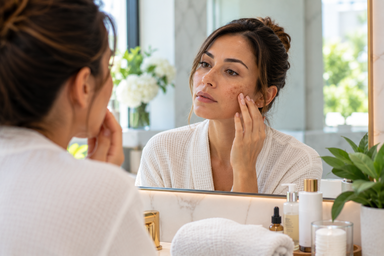
Uneven skin tone is one of those concerns that can creep up gradually, until one day you look in the mirror and notice patches, blotches, or a general lack of evenness that wasn't there before. Hyperpigmentation is an umbrella term that covers several different pigment conditions, and understanding which type you actually have makes a real difference in how effectively it can be treated.
At Gearity Wellness in Orlando, FL, treating hyperpigmentation starts with identifying its root cause, since melasma, sun-related pigment changes, and post-inflammatory marks each respond differently to treatment.
What Is Hyperpigmentation, Exactly?
Hyperpigmentation refers to any area of skin that appears darker than the surrounding tissue due to excess melanin production. It can appear as small spots, larger patches, or a general unevenness across the uneven skin tone and pigmentation that affects so many people living in sunny climates.
What Are the Different Types of Hyperpigmentation?
Not all pigment concerns are created equal, and recognizing the difference matters for treatment planning.
What Is Melasma and How Is It Different?
Melasma typically appears as symmetrical, brownish patches, often across the cheeks, forehead, or upper lip. It is closely tied to hormonal fluctuations, which is why it is common during pregnancy or with certain medications, and it tends to be more stubborn and prone to recurrence than other pigment types.
What Is Post-Inflammatory Hyperpigmentation?
This type develops after the skin experiences trauma or inflammation, such as a breakout, cut, or irritation from a harsh product. The dark mark that lingers afterward is the skin's overreaction during the healing process, and it can affect any skin tone, though it tends to be more pronounced in deeper skin tones.
How Is Sun-Induced Pigmentation Different From Melasma?
Sun-induced hyperpigmentation develops from cumulative ultraviolet exposure and tends to appear as more scattered, less symmetrical discoloration compared to melasma's characteristic pattern.
What Triggers Hyperpigmentation to Develop?
Does Hormonal Change Really Affect Skin Pigment?
Yes, significantly. Estrogen and progesterone influence melanocyte activity, which is why pregnancy, hormonal birth control, and menopause are all commonly associated with new or worsening pigment concerns, a pattern also connected to broader menopausal and postpartum changes.
Can Certain Medications Make Hyperpigmentation Worse?
Some medications increase photosensitivity, making skin more reactive to sun exposure and more prone to developing pigment irregularities. It is always worth mentioning current medications during a skin consultation.
Why Does Heat, Not Just Sun, Make Pigmentation Worse?
Heat exposure alone, even without direct sunlight, can trigger pigment production in melasma-prone skin. This means humid, warm climates like Orlando's can aggravate hyperpigmentation even on cloudy days.
Is Hyperpigmentation Permanent?
Some forms fade gradually on their own, particularly mild post-inflammatory marks, but melasma and long-standing sun-related pigmentation typically require active treatment to see meaningful improvement, since the pigment sits at a level skin cannot simply shed away without help.
What Treatments Help Improve Hyperpigmentation?
A layered treatment approach tends to work best, since hyperpigmentation exists at different depths within the skin.
How Do Chemical Peels Target Pigment Irregularities?
Chemical peels are one of the most effective tools for hyperpigmentation because they encourage controlled exfoliation, helping to lift discolored surface cells and stimulate fresher, more even-toned skin underneath. Different peel strengths can be selected depending on how deep the pigment concern sits.
Can Moxi Laser Be Used for Hyperpigmentation Too?
For certain types of pigment, particularly sun-induced discoloration, the Moxi laser offers a gentle, low-downtime option that complements chemical peels well as part of a broader plan.
What Skincare Ingredients Support Pigment Correction?
Medical-grade skincare formulated with pigment-regulating ingredients can help maintain results between in-office treatments and slow the return of discoloration, especially for melasma-prone skin that requires ongoing management.
Do Topical Treatments Alone Work for Melasma?
Topical treatments can help manage mild cases, but melasma often benefits from a combination approach that includes professional-grade peels alongside a consistent topical treatments regimen and diligent sun protection.
Why Is Sun Protection Non-Negotiable for Hyperpigmentation?
This cannot be overstated, especially in Orlando. Even brief, unprotected sun exposure can undo weeks of treatment progress by reactivating melanocyte production. Daily broad spectrum sunscreen, reapplied regularly, is considered a core part of any hyperpigmentation treatment plan rather than an optional add-on.
How Long Does Treatment Typically Take?
Because hyperpigmentation often sits deeper than surface-level dark spots, results tend to build gradually over a series of sessions. Most patients notice initial improvement within four to six weeks, with continued evening of tone over the following months as treatments continue and skincare habits are maintained.
What Happens During a Hyperpigmentation Consultation?
A thorough skin consultation helps determine whether you are dealing with melasma, post-inflammatory marks, sun damage, or some combination of the three. This distinction shapes everything from which peel strength is chosen to how frequently sessions are scheduled.
Uneven Skin Tone Just Met Its Match
Hyperpigmentation can feel stubborn, but it is far from untreatable once you understand what type you are dealing with and build a plan around it. A thoughtful combination of professional treatment and consistent home care can bring noticeable, lasting evenness back to your skin. Reach out to Gearity Wellness in Orlando to schedule a consultation tailored to your specific pigment concerns. This page was updated in August 2026 to reflect the latest treatment guidance.
Frequently Asked Questions
What is the difference between hyperpigmentation and dark spots? Hyperpigmentation is the broader category that includes melasma, sun spots, and post-inflammatory marks, while dark spots typically refer specifically to discrete, sun-triggered lentigines.
Can hyperpigmentation be treated permanently? Many patients achieve significant, long-lasting improvement, though melasma in particular can recur with hormonal changes or sun exposure, making ongoing maintenance important.
Are chemical peels safe for treating melasma? Yes, when the peel strength and frequency are matched to your skin type and pigment condition, chemical peels can be an effective and safe part of a melasma treatment plan.
How soon will I notice results from hyperpigmentation treatment? Most patients see initial improvement within four to six weeks, though full results typically develop over a series of sessions.
Does diet affect hyperpigmentation? While diet is not a primary driver, a diet rich in antioxidants can support overall skin health and may help the skin respond better to treatment and sun exposure over time.